
Gothic vs. Dark Academia vs. Cybergoth: What's the Difference?

“Dark aesthetic” covers a lot of ground, and it's easy to lump gothic, dark academia, and cybergoth together since they all share a love of moody colors and dramatic detail. But they come from different histories, dress very differently, and appeal to slightly different sensibilities. Here's how to tell them apart, and which one (or combination) might actually be you.
Gothic (Romantic/Victorian)
Origins: Post-punk music scene of the late 1970s–80s, visually rooted in Victorian mourning dress and gothic literature.
Core visual traits:
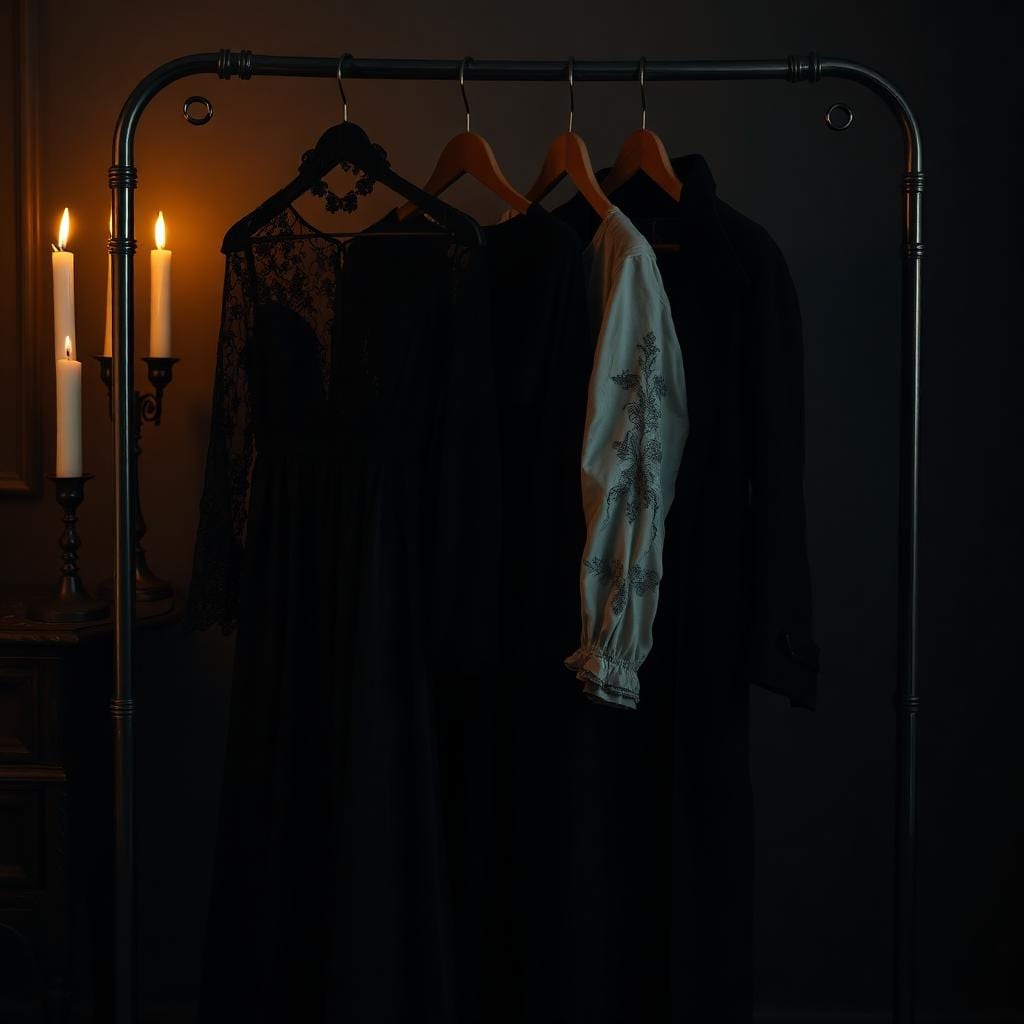
- Victorian and Edwardian silhouettes, corsetry, high collars, fitted bodices
- Lace, velvet, and brocade textures
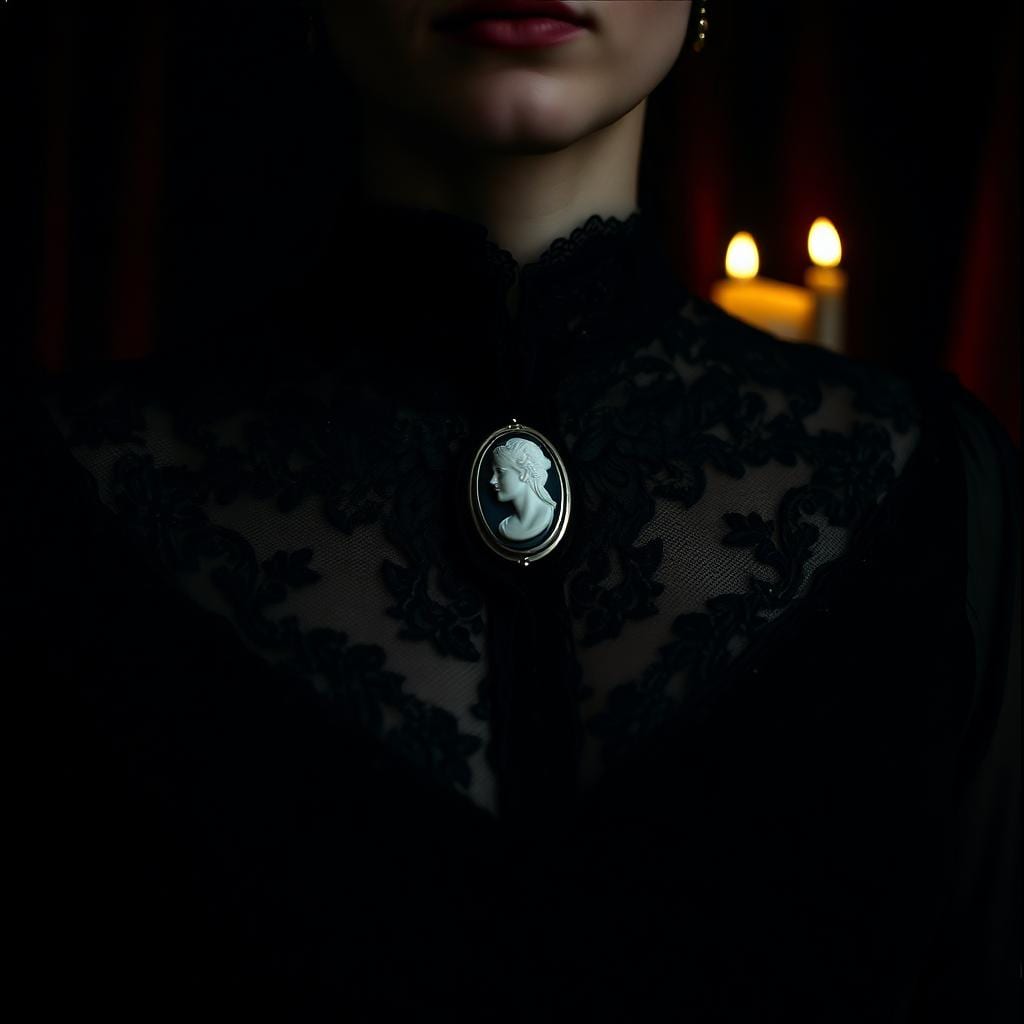
- Statement jewelry, cameos, filigree, dark stones
- Black as the anchor color, with burgundy, purple, or antique gold accents
The feeling it goes for: romantic, dramatic, melancholic-but-elegant, more “gothic novel heroine” than anything spooky or aggressive.
Dark Academia
Origins: Emerged as an internet aesthetic (notably on Tumblr) in the mid-2010s, centered on an idealized vision of classic higher education, literature, and the arts, with a visual debt to Collegiate Gothic architecture and classical Greek influence.
Core visual traits:
- Tweed, plaid, and structured tailoring, blazers, sweater vests, pleated skirts
- Muted, warm-toned palette, browns, deep greens, burgundy, cream, rather than gothic's black-forward palette
- Accessories that reference study and literature, glasses, leather satchels, actual books
- A “moody library” feeling rather than a “candlelit ballroom” one
The feeling it goes for: intellectual, nostalgic, quietly melancholic, more about longing for old libraries and classic novels than about darkness itself.

Cybergoth
Origins: Grew out of 1990s–2000s rave and industrial music culture, blending traditional goth's dark aesthetic with futuristic, technological visual elements.
Core visual traits:
- Neon accents (UV colors, cyber-lime, electric blue) against a black base, a sharp contrast to Victorian gothic's muted palette
- Synthetic materials, vinyl, PVC, plastic hair extensions (“cyberlox”), goggles
- Platform boots, often with chains, buckles, and hardware
- A futuristic, industrial edge rather than a historical, romantic one
The feeling it goes for: high-energy, futuristic, and rave-adjacent, the most maximalist and least “quiet elegance” of the three.
Side-by-Side at a Glance
- Color palette: Gothic leans black + jewel-tone accents. Dark academia leans warm neutrals and muted earth tones. Cybergoth leans black + neon.
- Historical reference point: Gothic references Victorian mourning dress. Dark academia references collegiate/classical academia. Cybergoth references '90s rave and industrial culture.
- Signature accessory: Gothic, cameo jewelry. Dark academia, glasses and leather satchels. Cybergoth, goggles and cyberlox.
- Overall mood: Gothic is romantic-melancholic. Dark academia is nostalgic-intellectual. Cybergoth is futuristic-high-energy.
Can These Styles Overlap?
Absolutely, and many people mix elements freely. A gothic-leaning outfit with a tweed blazer instead of a Victorian jacket reads as a gothic/dark academia crossover. A romantic gothic dress paired with platform boots and a few cyber accessories borrows from both gothic and cybergoth. These aren't rigid rulebooks, they're reference points to help you figure out what draws you in, not boxes you have to stay inside.
Which One Should You Start With?
If you're drawn to romance, Victorian detail, and elegant drama, start with gothic (which is exactly GrimCake's focus). If you're drawn to old libraries, tweed, and a nostalgic, intellectual mood more than darkness itself, dark academia is likely a better fit. If you want maximalist, futuristic, high-energy style with neon and hardware, cybergoth is worth exploring, even though it's a different direction from what we cover here.
Frequently Asked Questions
Is dark academia a type of goth?
Not exactly, they're adjacent aesthetics that share an audience and a general “moody” sensibility, but dark academia's visual language (tweed, warm tones, academic references) is distinct from gothic's Victorian-mourning roots.
Do I have to pick just one style?
No, plenty of people blend elements from two or three of these aesthetics. Think of them as flavors you can mix, not strict categories.
Which style is easiest to wear for everyday life?
Gothic and dark academia both translate easily into everyday, workplace-appropriate outfits through subtle details (a cameo necklace, or a tweed blazer). Cybergoth's more maximalist elements (neon, cyberlox, goggles) tend to be reserved for events or looks built specifically around the style.
Is cybergoth considered “goth”?
Yes, in the broad sense, it emerged from the same subculture family, but visually and musically it draws from a different era (rave/industrial) than traditional or romantic goth.